Codetown
Codetown ::: a software developer's community
May 2018 Blog Posts (7)
 Great Intro to Reactive Programming
I’m told this is a great intro to reactive programming. So of course, I intend to read it! Here it is: https://gist.github.com/staltz/868e7e9bc2a7b8c1f754
Thoughts?
Added by Michael Levin on May 24, 2018 at 3:12pm — No Comments
Photofeeler is a fun way to learn about logic
you haven’t checked it out already, take a look at www.photofeeler.com. Read about it’s logic. It’s fascinating! Stay tuned for more. I’m blogging form my iPhone!
Added by Michael Levin on May 15, 2018 at 10:00am — No Comments
There's a new Java Ecosystem Survey...
This Java ecosystem survey is both informative and will be useful to many people. Please fill it out if you have the time.
Added by Michael Levin on May 14, 2018 at 3:30pm — No Comments
Code One CFP Deadline Extended
For those of you interested in going to Java One, now known as Code One, the call for papers has been extended a week.
This year, Code One will have much more than just Java. You'll find Python and Go, R and much more.
Take a look at the agenda and think about going. And, for an even more exciting time, think about submitting a proposal…
ContinueAdded by Michael Levin on May 13, 2018 at 9:52am — No Comments
 Come join KotlinTown!
Hey, I started a Kotlin group - check it out and join if you'd like! I just put up a page dedicated to Kotlin links, books, and more resources. Will add more features like popular frameworks and chat later on.
Added by Amanda Hinchman-Dominguez on May 9, 2018 at 10:59am — 3 Comments
Java-Related Conferences
Every Java developer, in fact every software developer should have the opportunity to attend a technical conference every year or so. Increasingly, software conferences like Java One (now Code One) are becoming more broad and including multiple technologies. Ian Darwin is now publishing a great calendar of Java-related conferences. Here's the link: …
Added by Michael Levin on May 7, 2018 at 1:33pm — No Comments
Submit a proposal for Istio Day at OSCON
If you’re passionate about the state of Istio, know how to leverage it with open source tools such as Prometheus and Zipkin, have an Istio demo, or have a great story or best practice to share, O'Reilly wants to hear from you. Each jam-packed 30-minute session should include your insights on why you have chosen Istio and how you are getting the most out of it. Istio Day sessions will take place on…
Added by Michael Levin on May 2, 2018 at 9:44am — No Comments
- ❮ First
- Next ❯
Featured Blog Posts
Latest Blog Posts
Most Popular Blog Posts
Monthly Archives
2026
- July (2)
2025
2024
- June (1)
2023
2022
2021
2020
2019
- December (1)
- November (1)
- October (1)
- September (1)
- August (2)
- July (1)
- June (4)
- May (1)
- March (2)
- February (1)
- January (2)
2018
2017
2016
- December (18)
- November (10)
- September (3)
- August (1)
- July (3)
- June (7)
- May (6)
- April (5)
- March (2)
- February (2)
- January (4)
2015
- December (4)
- November (2)
- October (2)
- August (1)
- July (2)
- June (1)
- April (2)
- March (6)
- February (1)
- January (6)
2014
2013
2012
- December (5)
- October (3)
- September (4)
- August (1)
- July (4)
- June (4)
- May (1)
- April (3)
- March (4)
- February (7)
- January (3)
2011
- December (1)
- November (7)
- October (6)
- September (7)
- August (3)
- July (9)
- June (5)
- May (7)
- April (2)
- March (2)
- February (3)
- January (4)
2010
- December (6)
- November (3)
- October (2)
- August (6)
- July (1)
- May (4)
- April (3)
- March (11)
- February (5)
- January (13)
2009
- December (10)
- November (4)
- October (7)
- September (4)
- August (5)
- July (2)
- June (3)
- May (9)
- April (2)
- March (8)
- February (3)
- January (1)
2008
Happy 10th year, JCertif!
Notes
Welcome to Codetown!
 Codetown is a social network. It's got blogs, forums, groups, personal pages and more! You might think of Codetown as a funky camper van with lots of compartments for your stuff and a great multimedia system, too! Best of all, Codetown has room for all of your friends.
Created by Michael Levin Dec 18, 2008 at 6:56pm. Last updated by Michael Levin May 4, 2018.
Looking for Jobs or Staff?
Check out the Codetown Jobs group.
InfoQ Reading List
MCP C# SDK 2.0 Makes HTTP Stateless by Default and Adds Multi Round-Trip Requests

Microsoft announced version 2.0 of the official MCP C# SDK, which implements the 2026-07-28 revision of the Model Context Protocol with stateless HTTP servers by default, standardised routing headers and Multi Round-Trip Requests. Releases 2.1 to 2.3 have since added hybrid session serving, a subscriptions/listen handler and a series of discovery, OAuth and shutdown fixes.
By Edin KapićPHP Patches Two Critical RCE Flaws That Were Already Under Attack

PHP released 8.5.12, 8.4.27, 8.3.36, and 8.2.35 to fix two critical vulnerabilities allowing unauthenticated remote code execution. Amazon recorded an exploitation attempt four days before the patches shipped, and operators spent the day working out whether they ran PHP, where to get the package, and how to tell it had landed.
By Steef-Jan WiggersPyTorch Conference 2026: Google and Meta Open-Source TorchTPU for Native PyTorch on TPUs
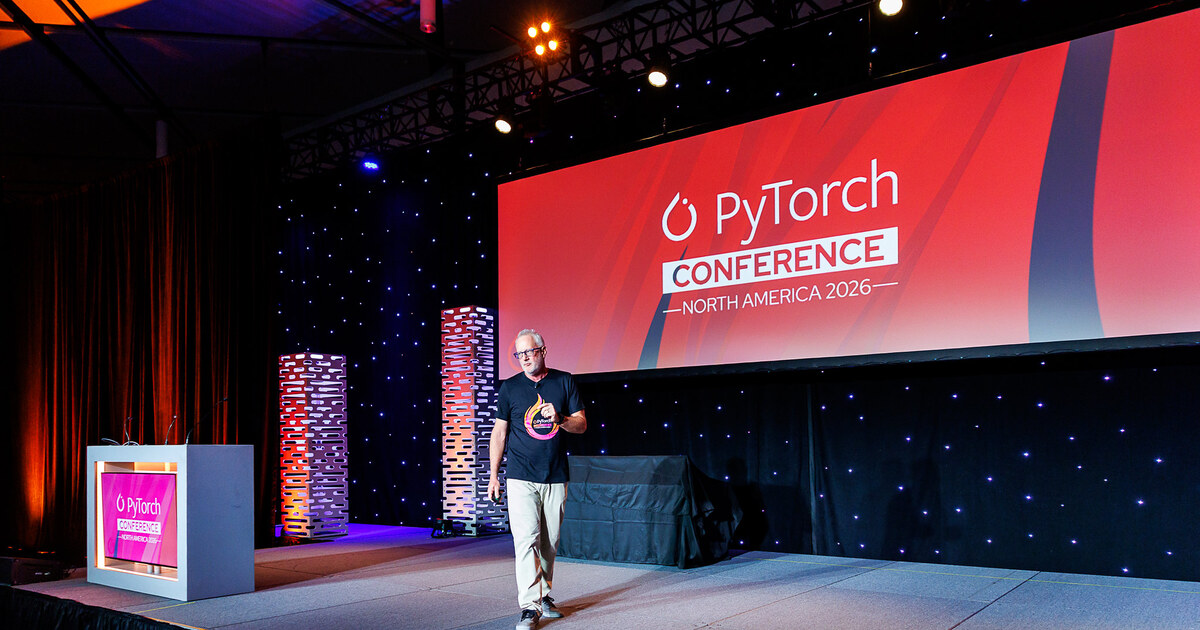
Google and Meta open-sourced TorchTPU, a native PyTorch backend for Google's TPUs, at PyTorch Conference North America 2026, and Meta said it plans to move larger LLM workloads onto TPUs with it. AWS released TorchNeuron for Trainium the same week, while developers questioned TPU availability and where vendor lock-in now sits.
By Andrew HoblitzellGoogle ML Drift Accelerates On-Device AI Inference Across Diverse GPUs

Google has released ML Drift, an open-source, cross-platform GPU compute engine designed for on-device AI and machine learning inference. Licensed under Apache 2.0, it abstracts the complexities of different GPU hardware and low-level APIs, supporting OpenGL ES, OpenCL, Metal, and WebGPU.
By Sergio De SimonePingCAP Breach Exposes Customer Records and Source Code

PingCAP recently confirmed unauthorized access to its internal systems and the theft of source code and customer-related data. The attacker, cyber extortion group FulcrumSec, claimed to have stolen 10.6 TB of data, including TiDB Cloud control-plane records, customer SQL statements, API keys, connection logs, billing information, internal documents, and 413 private source-code repositories.
By Renato Losio
© 2026 Created by Michael Levin.
Powered by

