Codetown
Codetown ::: a software developer's community
Android Town Discussions (5)
| Discussions | Replies | Latest Activity |
|---|---|---|
Coroutine-First Android Architecture w/ Rick BusarowChicago Kotlin User Group x Android Listeners Hosted at GrubHub, July 17 Coroutines are the new hot stuff, and right now they’re being adde… Started by Amanda Hinchman-Dominguez |
0 | Jul 20, 2019 |
Android Class at Valencia CollegeWe are having an Android App Development class at Valencia starting in August (East campus). It is COP 2660, and has a pre-requisite of C… Started by Colin Archibald |
3 |
Jan 31, 2013 Reply by Jackie Gleason |
Java applets on android tabletsDoes anyone own one of the android java-based tablets? If you do, how does it compare to an iPad, and does it properly run java applets and… Started by Michael Levin |
1 |
Sep 6, 2011 Reply by Colin Archibald |
Insanely Great Social Hooks and Innovation on this iPhone/Android AppEveryTrail impresses as a well thought out app with GPS, multimedia and social integration. Not only is it well coded and solid, but th… Started by Michael Levin |
0 | Dec 13, 2010 |
Gainesville Mobile Programming GroupWould it be an interest in a gainesville Mobile programming group? Idea is to include android, blackberry, iphone, palm, symbian, and anyth… Started by Mauricio Tavares |
0 | Oct 27, 2010 |
Happy 10th year, JCertif!
Notes
Welcome to Codetown!
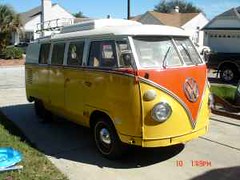 Codetown is a social network. It's got blogs, forums, groups, personal pages and more! You might think of Codetown as a funky camper van with lots of compartments for your stuff and a great multimedia system, too! Best of all, Codetown has room for all of your friends.
Created by Michael Levin Dec 18, 2008 at 6:56pm. Last updated by Michael Levin May 4, 2018.
Looking for Jobs or Staff?
Check out the Codetown Jobs group.
InfoQ Reading List
Presentation: Context Engineering at LinkedIn: How We Built an Organizational Context Layer for AI Agents with MCP
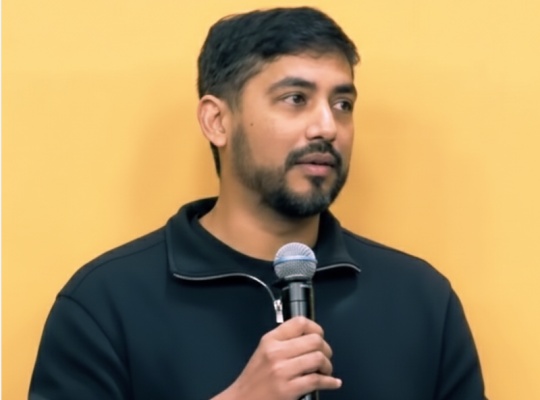
Ajay Prakash discusses how LinkedIn overcomes AI agent limitations in large codebases. He explains Contextual Agent Playbooks and Tools - built on Model Context Protocol (MCP) - which serves procedural memory, code search, and runbooks directly to coding agents. Prakash shares architectural details and operational guardrails that deliver a 20% productivity boost with zero loss in reliability.
By Ajay PrakashAWS Lambda Pushes Serverless Toward Long-Running Workloads

AWS Lambda now allows functions running on Lambda Managed Instances to run for up to 90 minutes, six times longer than the previous 15-minute limit, further blurring the line between a Lambda invocation and a traditional server. The limit remains unchanged for traditional synchronous requests.
By Renato LosioSolidStart 2: Replaces Vinxi with a Vite 8 and Enters Maintenance as Its Role Winds Down
SolidStart, a full-stack meta-framework based on SolidJS, has transitioned to version 2.0, improving compatibility with Vite's Environment API. This release modernizes the framework, enhancing CSS handling and integrating better with tools like Tailwind CSS and deployment services. Following this, SolidStart has been placed in maintenance mode as its capabilities are incorporated into Solid 2.0.
By Daniel CurtisMariaDB 13 Expands Oracle Compatibility and Improves Developer Experience and Observability

MariaDB Community Server 13.0 has reached General Availability (GA) and is now officially stable. This release introduces a range of new features, deprecations, and performance improvements, including expanded support for procedural SQL, new DML capabilities, and more.
By Sergio De SimoneDoorDash Uses Multi Agent LLMs to Clean up 60,000 Feature Flags
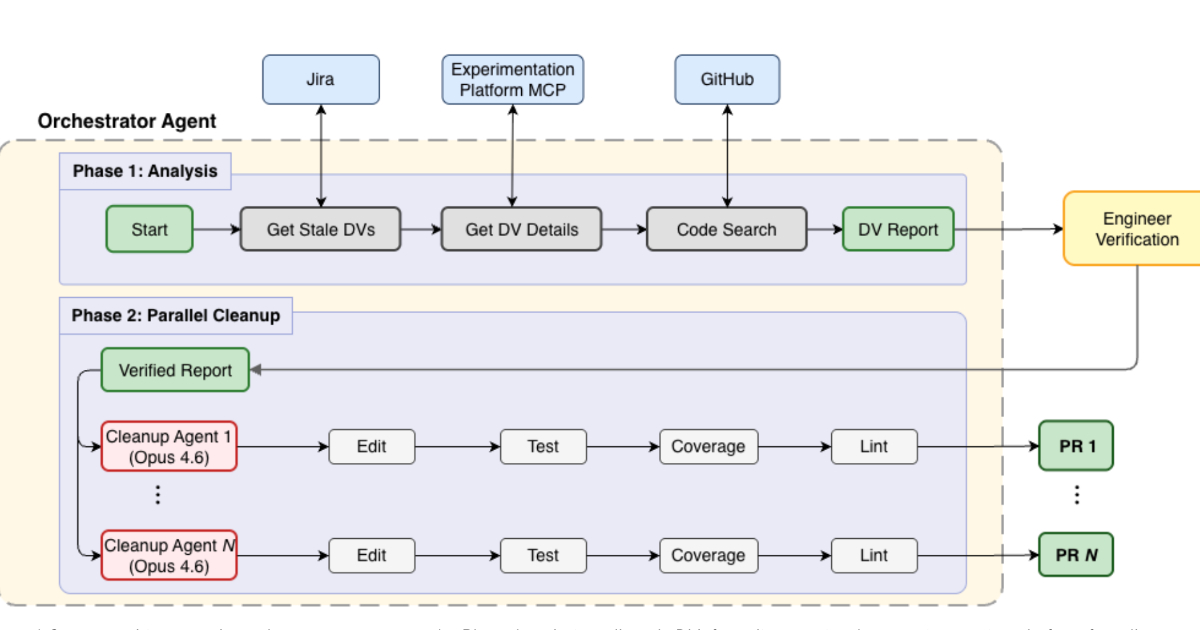
DoorDash built a multi-agent LLM system to automate stale feature flag cleanup across more than 60,000 flags and 623 repositories. The workflow combines live experimentation data through MCP, engineer approval, isolated Git worktrees, parallel agents, and automated validation. In an evaluation of 50 flags, 45 produced usable pull requests at an average of 13.8 minutes and $4.79 per cleanup.
By Leela Kumili
© 2026 Created by Michael Levin.
Powered by

