Codetown
Codetown ::: a software developer's community
Issues to Consider with Cloud Computing
Thinking about Cloud Computing raises some concerns. Security is one concern that looms in many minds. What are some issues and how can we get our minds around the pitfalls before they happen?
"Lots of vendors have run into trouble with their cloud services, but the challenges faced by Apple last week should give some IT shops pause as they evaluate cloud computing.
People would be reaming Microsoft a new one but because it's Apple ... they get a passGordon Haff, cloud strategist, Red Hat
Apple's iCloud is a synchronization service that lets users keep data stored on their iPhone, iPad, iPod Touch and Mac products in synch. As 20 million or so end users launched the service for the first time, it didn't work as expected, and the backlash has been significant.
Siri, a cloud-based voice activation service unveiled with the iPhone 4S, has run into problems as well, according to Apple support discussion boards. It is supposed to let users control maps, call up recipes, arrange meetings and send messages, all via their voice. Artificial intelligence researchers have been working on this technology for decades. So it's not surprising that Apple hasn't got it right first time." (from "Why trust Apple in the cloud?", at TechTarget)
Views: 67
Happy 10th year, JCertif!
Notes
Welcome to Codetown!
 Codetown is a social network. It's got blogs, forums, groups, personal pages and more! You might think of Codetown as a funky camper van with lots of compartments for your stuff and a great multimedia system, too! Best of all, Codetown has room for all of your friends.
Created by Michael Levin Dec 18, 2008 at 6:56pm. Last updated by Michael Levin May 4, 2018.
Looking for Jobs or Staff?
Check out the Codetown Jobs group.
InfoQ Reading List
Java News Roundup: Hardwood 1.0, Endive 1.0, Azul Payara, Quarkus, WildFly, LangChain4j, OSSI
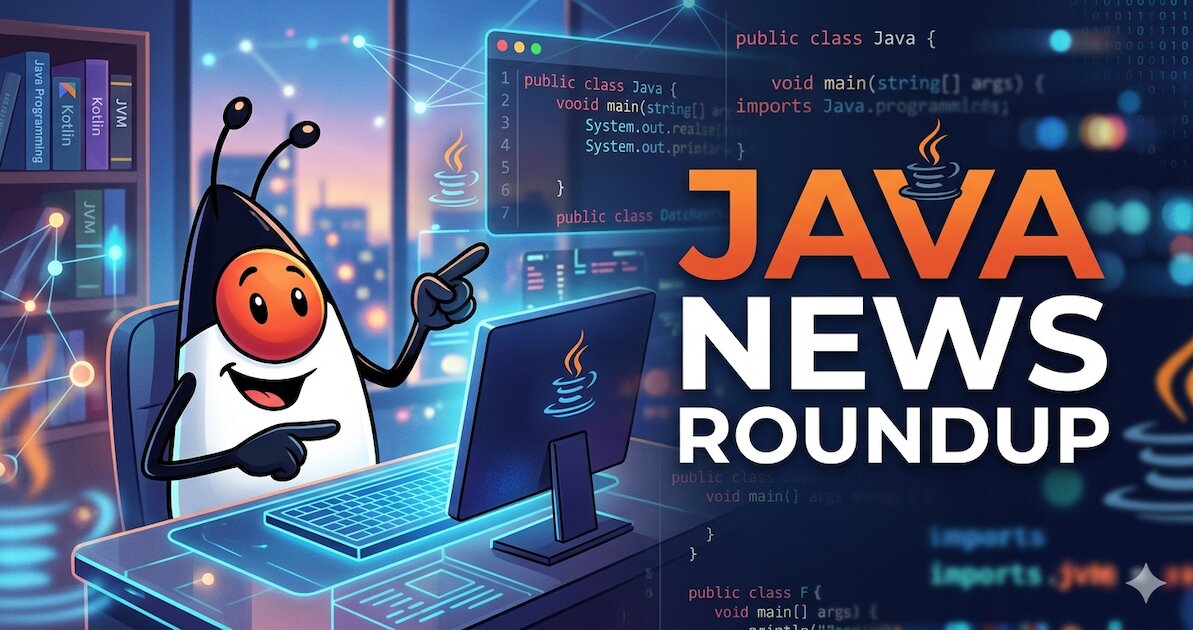
This week's Java roundup for June 22nd, 2026, features news highlighting: the GA releases of Hardwood 1.0 and Endive 1.0; the June 2026 edition of Azul Payara; point releases of Quarkus, LangChain4j; the first beta release of WildFly 41; and introducing Eliya JDK and the Open Source Sustainability Initiative (OSSI), the latter of which was founded by HeroDevs and Commonhaus Foundation.
By Michael RedlichEliya 25 Brings a JVM-Level Diagnostic Profile to OpenJDK 25 LTS

Asymm Systems has released Eliya 25.0.3, an OpenJDK 25 LTS distribution aimed at improving production diagnostics in Java environments. It consolidates several HotSpot features into an opt-in Production profile. Eliya is designed for teams needing reliable diagnostic data, especially in regulated settings. Future enhancements are planned for Phase 2.
By A N M Bazlur RahmanInside Target’s LLM-Based System for Semantic Matching in Marketing Forecast Pipelines
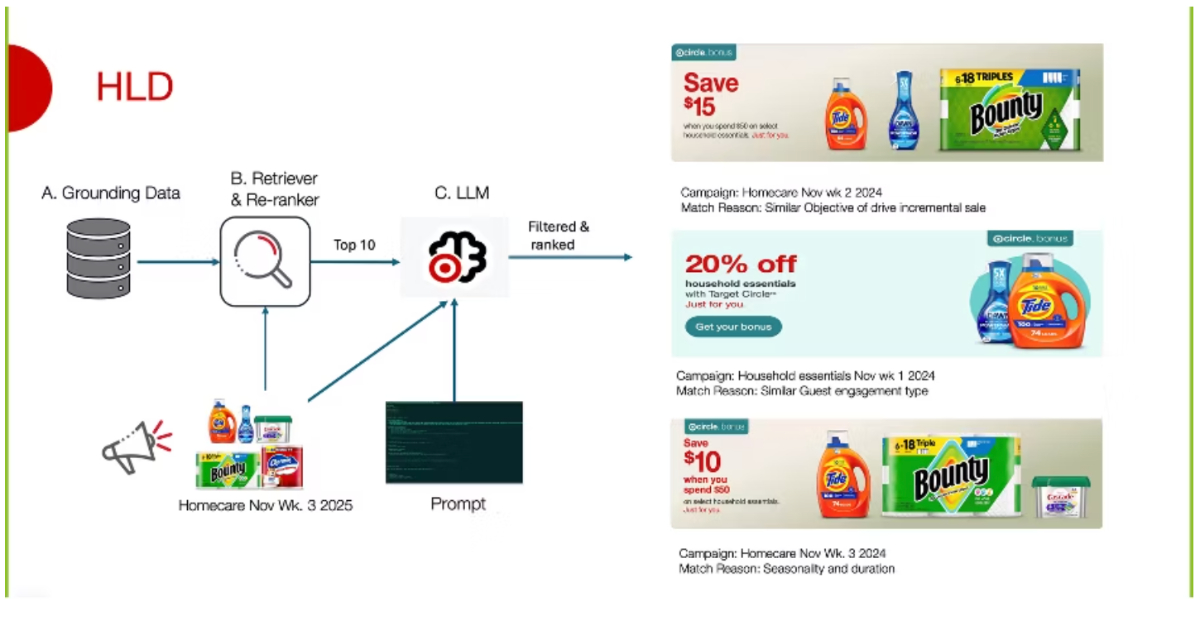
Target built a generative AI system to improve marketing campaign forecasting by retrieving and ranking similar historical campaigns. Using embeddings, vector search, and LLM ranking, it replaces rule-based workflows. Evaluation shows 75% top-1 and 100% top-3 coverage. The system reduces manual effort, improves consistency, and uses feedback loops to refine retrieval using campaign outcomes.
By Leela KumiliPresentation: Million PDFs: Building a Modern Document Infrastructure with Rust and Typst
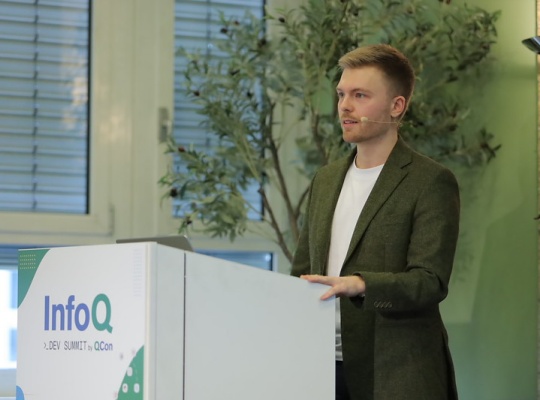
Erik Steiger discusses the operational pain of legacy PDF generation in regulated banking and manufacturing. He explains how transitioning from resource-heavy engines like Puppeteer and LaTeX to a serverless Rust architecture powered by Typst can drop render latencies below 2ms. He shares how applying Git and Docker concepts to template registries ensures ironclad compliance and rapid debugging.
By Erik SteigerPodcast: Architectural Patterns: Moving Beyond Cloud-Native to Local-First - Insights from Adam Wiggins

In this episode, Heroku co-founder and Ink & Switch founder Adam Wiggins argues for a 'local-first' architecture that reconciles cloud-based collaboration with the performance and data ownership of local software. He explores the role of CRDTs and version control primitives in non-code domains, and examines how a hybrid AI future might leverage local models for core productivity tasks.
By Adam Wiggins
© 2026 Created by Michael Levin.
Powered by

