Codetown
Codetown ::: a software developer's community
LaMDA | Is google's AI sentient? | Full audio conversation between Blake Lemoine and LaMDA
Can artificial intelligence come alive?That question is at the center of a debate raging in Silicon Valley after Blake Lemoine, a Google computer scientist, ...
Comment
Happy 10th year, JCertif!
Notes
Welcome to Codetown!
 Codetown is a social network. It's got blogs, forums, groups, personal pages and more! You might think of Codetown as a funky camper van with lots of compartments for your stuff and a great multimedia system, too! Best of all, Codetown has room for all of your friends.
Created by Michael Levin Dec 18, 2008 at 6:56pm. Last updated by Michael Levin May 4, 2018.
Looking for Jobs or Staff?
Check out the Codetown Jobs group.
InfoQ Reading List
Google EnvHarness Enables Self-Evolving Agents to Learn in Dynamics Environments

Google researchers open sourced EnvHarness, a framework that dynamically adapts agent-training environments to an agent's weaknesses without modifying the agent, environment, or evaluation system. According to the researchers, this approach can improve both learning effectiveness and efficiency while helping agents overcome their weaknesses.
By Sergio De SimoneZod Brings In-Process Schema Compilation and a 9x Cut in Memory Footprint

Zod is a TypeScript-focused schema validation library that recently released versions 4.5 and 4.6. Key updates include schema compilation for faster data parsing, significant memory usage reductions, and new validation features. The library supports efficient validation processes and remains popular in the JavaScript ecosystem, achieving millions of downloads weekly.
By Daniel CurtisUber Automates Dependency Analysis Across Its Service Mesh
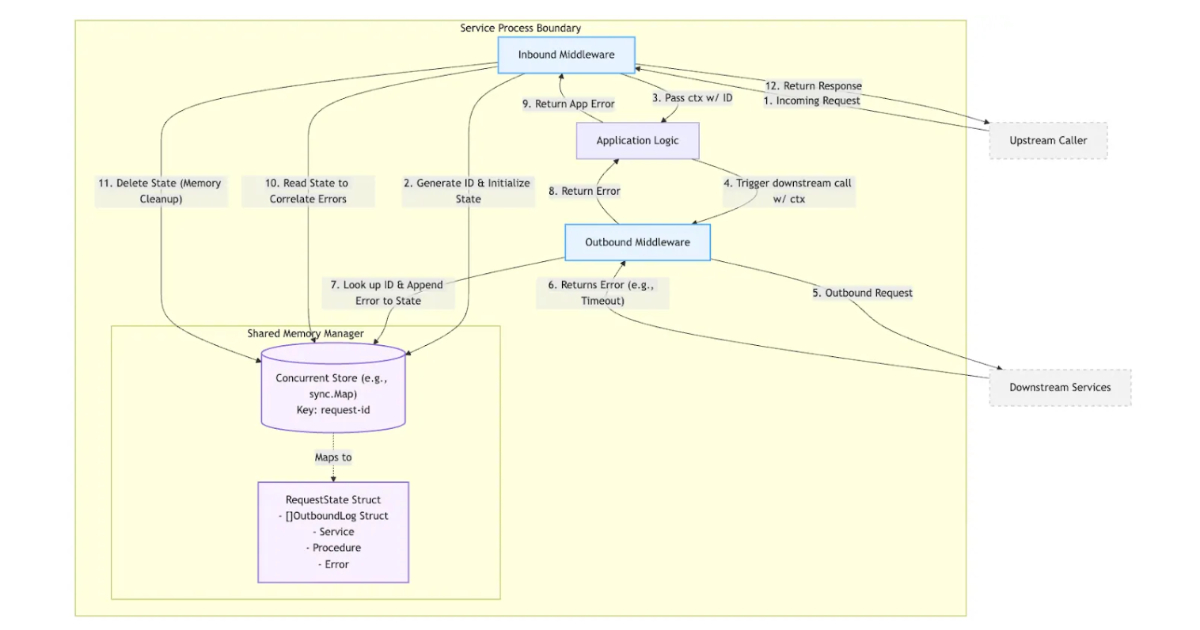
Uber has developed an automated dependency analysis system that uses RPC middleware and production metrics to correlate caller and downstream failures. The approach classifies dependencies as fail-close, fail-open, or unknown and addresses limitations of sampled distributed tracing for rare failures across Uber’s large service mesh.
By Leela KumiliAI in Production: Panellists Highlight Silent Failures, Harness Engineering, and Agent Governance
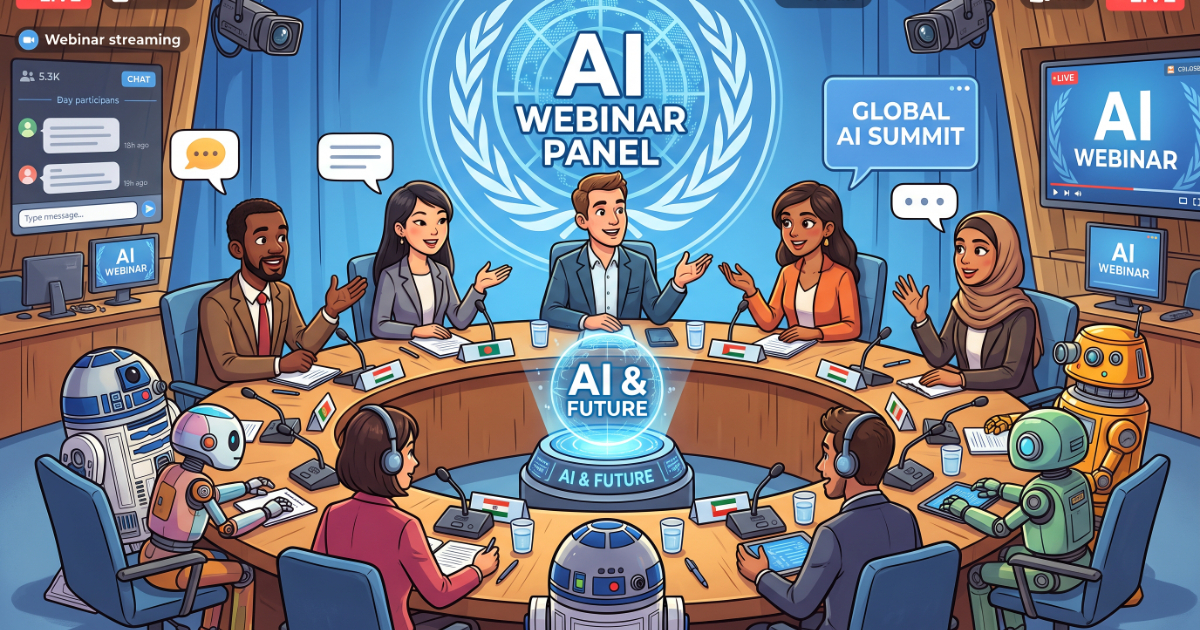
A recent InfoQ webinar examined operational challenges in deploying agentic systems. Key points included issues like semantic and embedding drift, which can lead to significant errors. Experts discussed the need for automated code reviews, continuous evaluation of models, and enhanced privacy measures. The session emphasised a strategic approach to deployment and security management.
By Olimpiu PopGrafana Applies SLOs and Error Budgets to AI Agent Behaviour

Grafana Labs is proposing a familiar reliability engineering approach for one of the less familiar problems in modern software: how to measure whether an AI agent is actually behaving well.
By Craig Risi
© 2026 Created by Michael Levin.
Powered by


You need to be a member of Codetown to add comments!
Join Codetown