Codetown
Codetown ::: a software developer's community
Question
What specific tools should a back-end Java developer have experience with?
Comment
-
Comment by Michael Levin on July 4, 2012 at 2:00pm
-
Dan, that's a good question. Here are a few tools to kick off the discussion. A back-end Java developer is familiar with the standard J2SE library and some sort of persistence like a database and how to manipulate it (JDBC, Hibernate, to name a couple). He will know the software development lifecycle including how to build (Ant and Maven are popular) and test code (JUnit is one testing approach) and how to use a code repository (Git, Subversion, PVCS, rcs, sccs). What else? I'll pass the baton to my compadres here...
Happy 10th year, JCertif!
Notes
Welcome to Codetown!
 Codetown is a social network. It's got blogs, forums, groups, personal pages and more! You might think of Codetown as a funky camper van with lots of compartments for your stuff and a great multimedia system, too! Best of all, Codetown has room for all of your friends.
Created by Michael Levin Dec 18, 2008 at 6:56pm. Last updated by Michael Levin May 4, 2018.
Looking for Jobs or Staff?
Check out the Codetown Jobs group.
InfoQ Reading List
MariaDB 13 Expands Oracle Compatibility and Improves Developer Experience and Observability

MariaDB Community Server 13.0 has reached General Availability (GA) and is now officially stable. This release introduces a range of new features, deprecations, and performance improvements, including expanded support for procedural SQL, new DML capabilities, and more.
By Sergio De SimoneDoorDash Uses Multi Agent LLMs to Clean up 60,000 Feature Flags
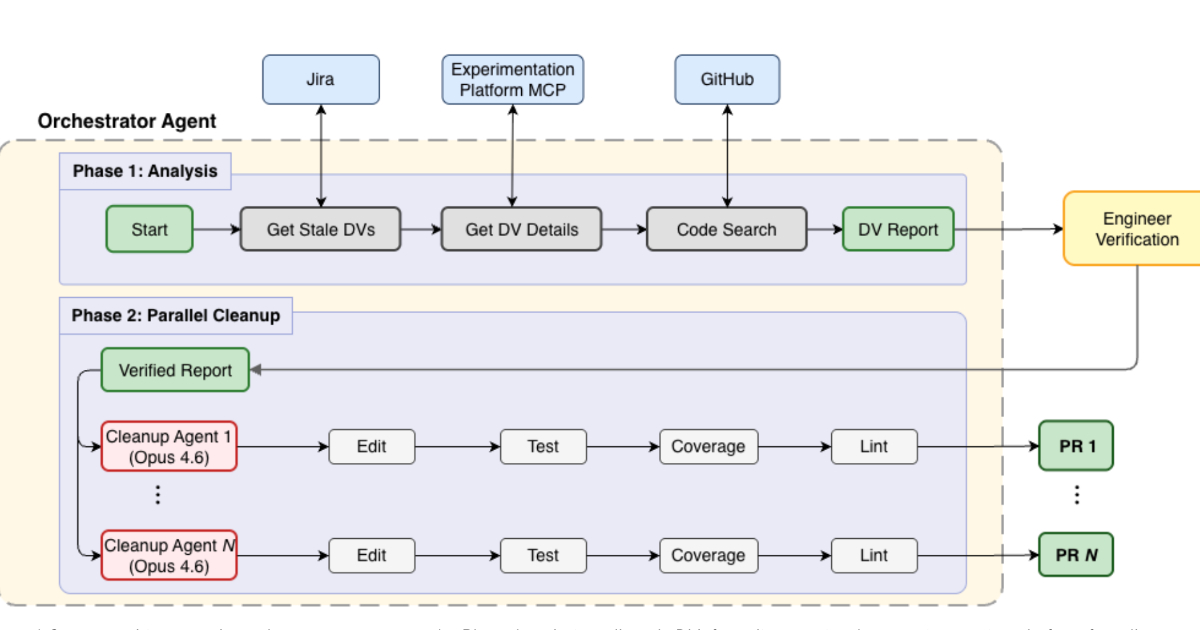
DoorDash built a multi-agent LLM system to automate stale feature flag cleanup across more than 60,000 flags and 623 repositories. The workflow combines live experimentation data through MCP, engineer approval, isolated Git worktrees, parallel agents, and automated validation. In an evaluation of 50 flags, 45 produced usable pull requests at an average of 13.8 minutes and $4.79 per cleanup.
By Leela KumiliWSO2 Releases Agent Manager as Enterprises Look to Control Growing AI Agent Sprawl

WSO2 has announced the general availability of WSO2 Agent Manager, an open-source platform designed to provide centralized governance, identity management, security controls, and operational oversight for AI agents running across different models, frameworks, and deployment environments.
By Craig RisiPresentation: Complexity and Creativity in Software Engineering

Phillip Mortimer discusses the shift toward write-only software driven by AI code generation. He explains why traditional pull requests are broken and shares how engineering leaders can manage complexity by decoupling intent from implementation, automating code reviews, and building self-healing architecture to unleash developer creativity across senior engineering and architecture teams.
By Phillip Mortimerhtmx 4.0: a Fetch-Based Rewrite, Built-In Morphing Swaps, and Explicit Attribute Inheritance

htmx 4 has been released, featuring a transition from XMLHttpRequest to the fetch() API, enhancing streaming capabilities. Key updates include built-in morphing swaps for DOM state preservation and an hx-partial tag for cleaner updates. Attribute inheritance is now explicit, with event names standardized. The library maintains focus on minimal JavaScript while remaining popular among frameworks.
By Daniel Curtis
© 2026 Created by Michael Levin.
Powered by


You need to be a member of Codetown to add comments!
Join Codetown