Codetown
Codetown ::: a software developer's community
Mashup Patterns
 And, there's a website called "Mashup Patterns". Google has released a Mashup Editor to a limited number of developers. I've experimented a bit with Yahoo Pipes. Here's an example I made integrating map data with Flickr. The possibilities go on and on. If you're working with mashups, I'd love to hear about it.
 Comment
Happy 10th year, JCertif!
Notes
Welcome to Codetown!
 Codetown is a social network. It's got blogs, forums, groups, personal pages and more! You might think of Codetown as a funky camper van with lots of compartments for your stuff and a great multimedia system, too! Best of all, Codetown has room for all of your friends.
Created by Michael Levin Dec 18, 2008 at 6:56pm. Last updated by Michael Levin May 4, 2018.
Looking for Jobs or Staff?
Check out the Codetown Jobs group.
InfoQ Reading List
Google ML Drift Accelerates On-Device AI Inference Across Diverse GPUs

Google has released ML Drift, an open-source, cross-platform GPU compute engine designed for on-device AI and machine learning inference. Licensed under Apache 2.0, it abstracts the complexities of different GPU hardware and low-level APIs, supporting OpenGL ES, OpenCL, Metal, and WebGPU.
By Sergio De SimonePingCAP Breach Exposes Customer Records and Source Code

PingCAP recently confirmed unauthorized access to its internal systems and the theft of source code and customer-related data. The attacker, cyber extortion group FulcrumSec, claimed to have stolen 10.6 TB of data, including TiDB Cloud control-plane records, customer SQL statements, API keys, connection logs, billing information, internal documents, and 413 private source-code repositories.
By Renato LosioGoogle Optimizes Agent Development Kit's 200K-line Python Codebase Overnight with Gemini 4 Argon

Google explained how an 11-hour unattended run of Gemini 4 Argon produced two accepted optimizations for Google Agent Development Kit's codebase, reducing in-memory session-preparation overhead by about 40% in long sessions and cold package import time by 21%.
By Sergio De SimoneGoogle’s Data Agent Kit Hits GA, Splitting Agent Guardrails Between Skills and IAM

Google has made Data Agent Kit generally available, a free set of MCP tools and 37 open-source skills that connect coding agents to more than fifteen Google Data Cloud services. Two kinds of guardrail ship with it, and practitioners need to tell them apart: one is a skill asking the agent to stop, the other an IAM deny policy that refuses the call.
By Steef-Jan WiggersCloudflare Reclaims 100 TB of RAM by Optimizing Consistent Hashing
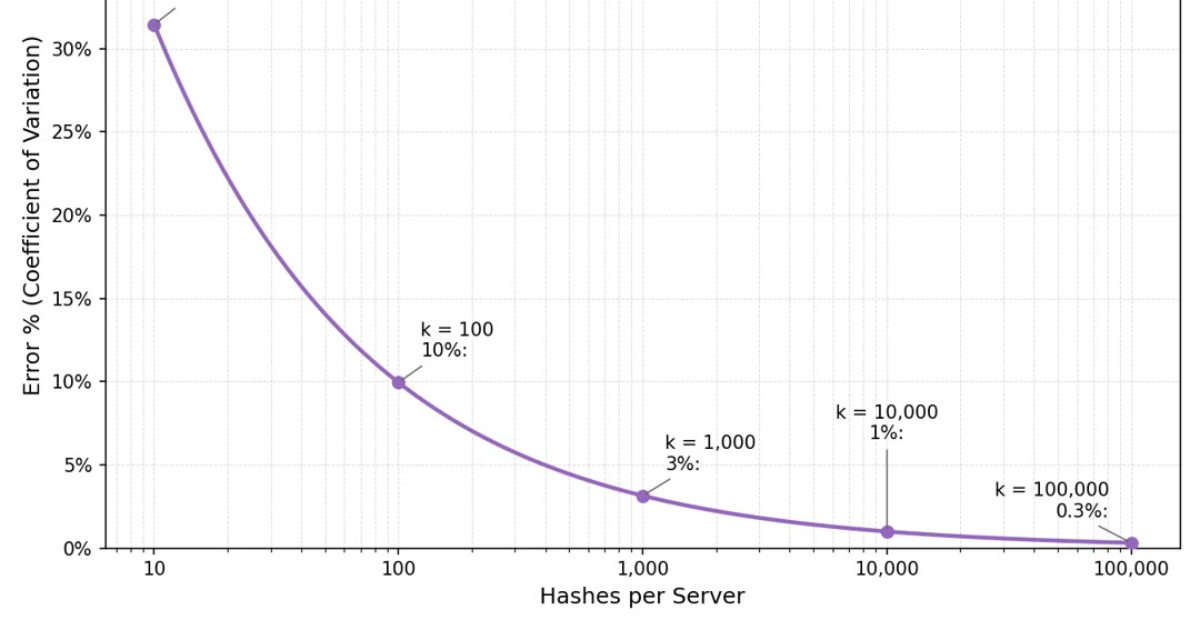
Cloudflare recently documented how it reduced the memory footprint of its internal load-balancing service by more than 100 TB by optimizing the Rust implementation of consistent hashing in pingora-ketama. The changes compacted hash-ring entries and used statistical analysis of hash distribution and collision rates to reduce the number of hashes per backend by about 90%.
By Renato Losio
© 2026 Created by Michael Levin.
Powered by


You need to be a member of Codetown to add comments!
Join Codetown