Codetown
Codetown ::: a software developer's community
BIG DATA ONLINE TRAINING for Student Developers!
Oracle Academy’s free program offers learning resources and technologies for individual students:
BIG DATA ONLINE TRAINING
The objective of trainings, developed by Dan McClary, the product manager of “Oracle Academy Big Data Science Bootcamps”, Oracle Big Data and Hadoop, is to teach the basics and concepts of data science. The content is composed of 16 online training videos, sample codes, real world data sets, and sample problems to teach how Big Data is used to solve real problems.
Implementation environment of this training is provided by Oracle BigData Lite Virtual Machine, which is an integrated software and ready-to-use for new users of Oracle Big Data platform.
To benefit from this resource students simply need to complete below steps:
Register now and become an Oracle Academy Individual member
Click the “Individual members join here” button below
- 1. Create an Oracle Single Sign-on account (or sign into existing account).
- 2. Select Register for Individual Membership.
- 3. Search for and select your institution.*
- 4. Enter your contact information and accept the Oracle Academy Individual Membership legal agreement.**
- 5. Once your application is processed, you will be notified by email to sign into the Oracle Academy member website and access your benefits.
- 6. Start enjoying your benefits!
Comment
Happy 10th year, JCertif!
Notes
Welcome to Codetown!
 Codetown is a social network. It's got blogs, forums, groups, personal pages and more! You might think of Codetown as a funky camper van with lots of compartments for your stuff and a great multimedia system, too! Best of all, Codetown has room for all of your friends.
Created by Michael Levin Dec 18, 2008 at 6:56pm. Last updated by Michael Levin May 4, 2018.
Looking for Jobs or Staff?
Check out the Codetown Jobs group.
InfoQ Reading List
MCP C# SDK 2.0 Makes HTTP Stateless by Default and Adds Multi Round-Trip Requests

Microsoft announced version 2.0 of the official MCP C# SDK, which implements the 2026-07-28 revision of the Model Context Protocol with stateless HTTP servers by default, standardised routing headers and Multi Round-Trip Requests. Releases 2.1 to 2.3 have since added hybrid session serving, a subscriptions/listen handler and a series of discovery, OAuth and shutdown fixes.
By Edin KapićPHP Patches Two Critical RCE Flaws That Were Already Under Attack

PHP released 8.5.12, 8.4.27, 8.3.36, and 8.2.35 to fix two critical vulnerabilities allowing unauthenticated remote code execution. Amazon recorded an exploitation attempt four days before the patches shipped, and operators spent the day working out whether they ran PHP, where to get the package, and how to tell it had landed.
By Steef-Jan WiggersPyTorch Conference 2026: Google and Meta Open-Source TorchTPU for Native PyTorch on TPUs
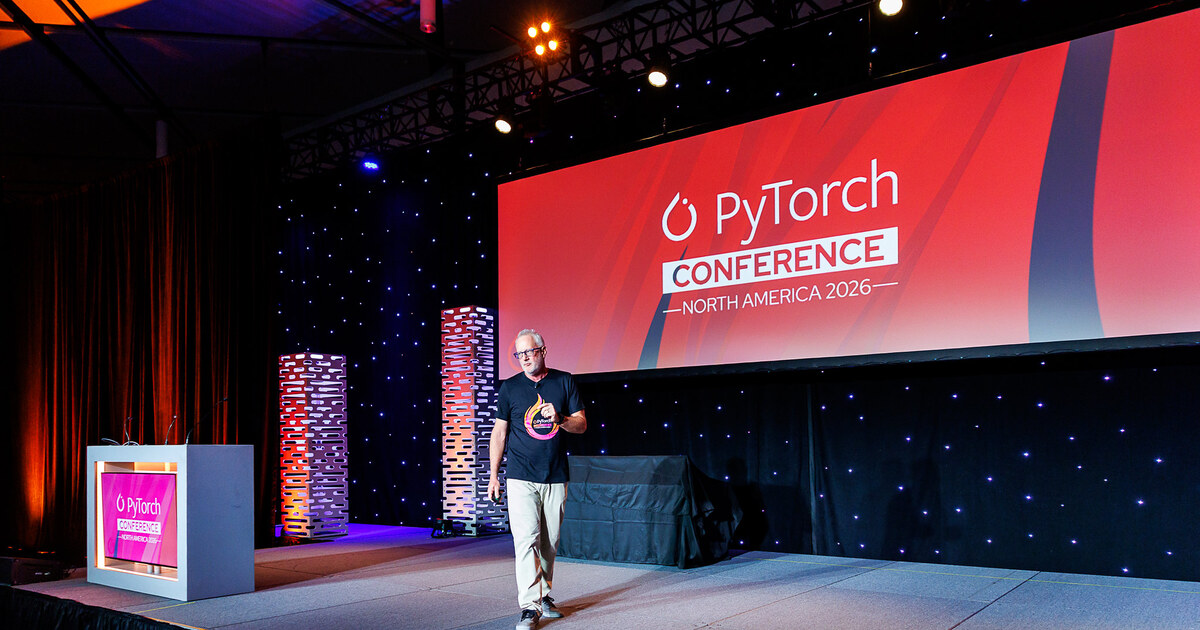
Google and Meta open-sourced TorchTPU, a native PyTorch backend for Google's TPUs, at PyTorch Conference North America 2026, and Meta said it plans to move larger LLM workloads onto TPUs with it. AWS released TorchNeuron for Trainium the same week, while developers questioned TPU availability and where vendor lock-in now sits.
By Andrew HoblitzellGoogle ML Drift Accelerates On-Device AI Inference Across Diverse GPUs

Google has released ML Drift, an open-source, cross-platform GPU compute engine designed for on-device AI and machine learning inference. Licensed under Apache 2.0, it abstracts the complexities of different GPU hardware and low-level APIs, supporting OpenGL ES, OpenCL, Metal, and WebGPU.
By Sergio De SimonePingCAP Breach Exposes Customer Records and Source Code

PingCAP recently confirmed unauthorized access to its internal systems and the theft of source code and customer-related data. The attacker, cyber extortion group FulcrumSec, claimed to have stolen 10.6 TB of data, including TiDB Cloud control-plane records, customer SQL statements, API keys, connection logs, billing information, internal documents, and 413 private source-code repositories.
By Renato Losio
© 2026 Created by Michael Levin.
Powered by


You need to be a member of Codetown to add comments!
Join Codetown