Codetown
Codetown ::: a software developer's community
Happy 10th year, JCertif!
Notes
Welcome to Codetown!
 Codetown is a social network. It's got blogs, forums, groups, personal pages and more! You might think of Codetown as a funky camper van with lots of compartments for your stuff and a great multimedia system, too! Best of all, Codetown has room for all of your friends.
When you create a profile for yourself you get a personal page automatically. That's where you can be creative and do your own thing. People who want to get to know you will click on your name or picture and…
ContinueCreated by Michael Levin Dec 18, 2008 at 6:56pm. Last updated by Michael Levin May 4, 2018.
Looking for Jobs or Staff?
Check out the Codetown Jobs group.
InfoQ Reading List
Java News Roundup: TornadoVM 8.0, JNoSQL, Endive, JReleaser, JBang, LangChain4j, Quarkus Almanac
This week's Java roundup for October 26th, 2026, features news highlighting: the GA release of TornadoVM 8.0; point releases of JNoSQL, Endive, JBang, JReleaser and LangChain4j; a maintenance release of JobRunr; beta releases of Hibernate ORM and Hibernate Reactive; and introducing the Quarkus Almanac.
By Michael RedlichGoogle and Meta Open-source TorchTPU to Bring Native PyTorch Support to Google TPUs

TorchTPU is an open-source project developed by Google in collaboration with Meta that provides a native PyTorch backend for Google TPUs. It enables PyTorch workloads to execute on TPU hardware with minimal code modifications, supporting eager and compiled execution, distributed computing, and hardware-specific optimizations.
By Sergio De SimoneUber Builds MCP Gateway to Govern Access to 800+ Servers and 5,000+ AI Agent Tools

Uber has built an MCP Gateway to standardize how AI agents discover and invoke internal services across more than 800 MCP servers and 5,000 tools. The gateway separates tool registration from runtime execution and includes automated API discovery, access controls, sensitive data redaction, incremental tool discovery through Omni MCP, and response filtering.
By Leela KumiliPodcast: Educating an Architect: A Conversation with Luca Mezzalira

In this podcast, Michael Stiefel spoke to Luca Mezzalira about software architecture as a socio-technical discipline that balances technological design with an organization's social and managerial context. They explored how architectural choices must be adapted to a company's unique culture and team structure rather than relying blindly on universal best practices.
By Luca MezzaliraArticle: Systemic Approach to Memory, Knowledge, and Context in Agentic AI Architectures
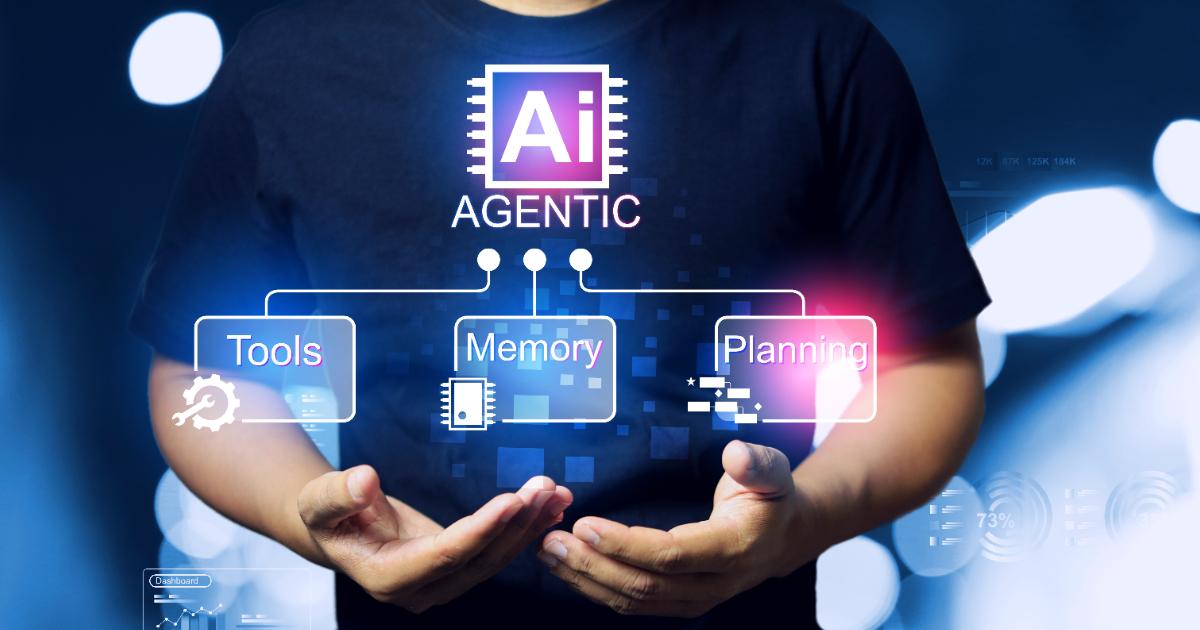
The article argues that reliable agentic AI architecture depends on a context engine that selects, injects, compresses, and expires information before it reaches the model. It separates context, memory, and knowledge, and recommends tiered memory, curated knowledge, and token budgeting. It also covers common anti-patterns, such as context stuffing and stale data loops, with mitigations.
By Adi Polak
© 2026 Created by Michael Levin.
Powered by


You need to be a member of Codetown to add comments!
Join Codetown