Codetown
Codetown ::: a software developer's community
Happy 10th year, JCertif!
Notes
Welcome to Codetown!
 Codetown is a social network. It's got blogs, forums, groups, personal pages and more! You might think of Codetown as a funky camper van with lots of compartments for your stuff and a great multimedia system, too! Best of all, Codetown has room for all of your friends.
When you create a profile for yourself you get a personal page automatically. That's where you can be creative and do your own thing. People who want to get to know you will click on your name or picture and…
ContinueCreated by Michael Levin Dec 18, 2008 at 6:56pm. Last updated by Michael Levin May 4, 2018.
Looking for Jobs or Staff?
Check out the Codetown Jobs group.
InfoQ Reading List
Uber Redesigns M3DB Sharding with Subclusters to Limit Failure Impact
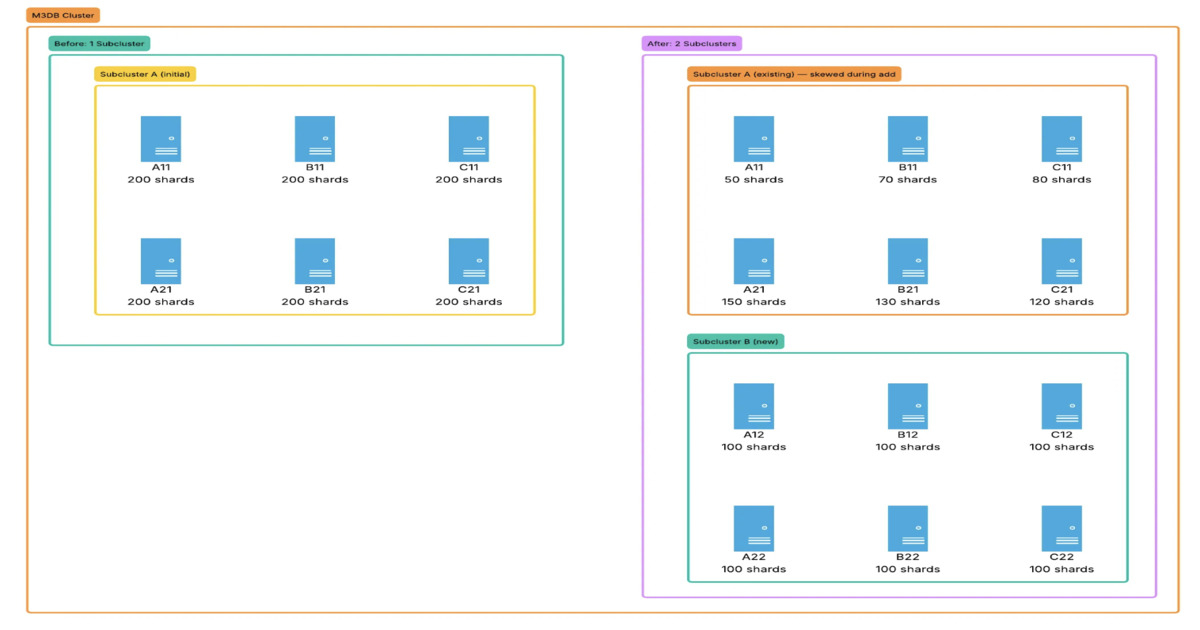
Uber has redesigned shard placement in M3DB with fixed size subclusters to limit the impact of node failures, maintenance, and cluster scaling. The approach bounds shard dependencies, preserves replica isolation, and uses a greedy algorithm to select shard migrations while avoiding a separate rebalancing pass and unnecessary data movement.
By Leela KumiliCloudflare Introduces the Agent Development Lifecycle to Replace Traditional SDLC
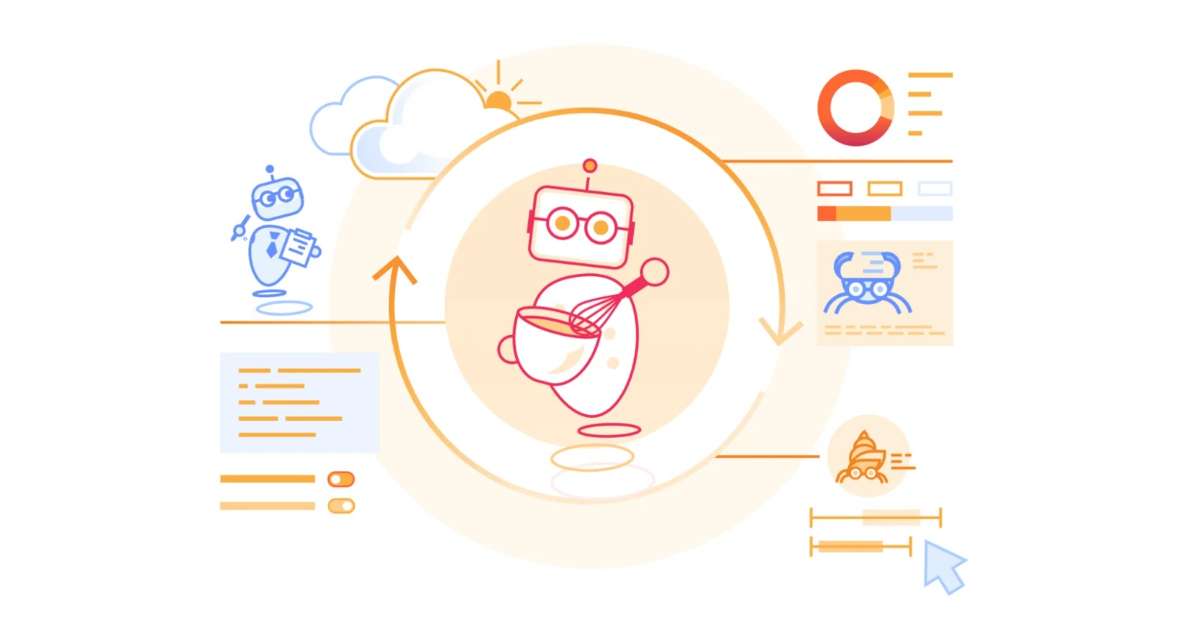
Cloudflare has introduced the Agent Development Lifecycle to enhance AI-driven engineering. The approach replaces the traditional SDLC, addressing bottlenecks in testing, deployment, and maintenance. Key components include automated software factories, dynamic orchestration, advanced observability, and a security model for autonomous agents, aiming for more efficient software management.
By Olimpiu PopPresentation: The Agent Harness: Control Planes, Invariants, and Approval Boundaries for Production AI Agents

OpenAI’s Vinoth Govindarajan discusses why production AI agents fail beyond model hallucination. Using real-world case studies like OpenClaw, he explains the key principles of reliable agent harnesses: establishing explicit state ownership, serializing concurrent state mutations, scoping execution authority, and validating actions at the user-visible edge.
By Vinoth GovindarajanPodcast: Securing AI Agents: Identity, Authorization, and the DPACT Framework

In this episode, Sahil Agarwal talks about the critical challenges of identity, authorisation, and security in the age of AI agents. Sahil introduces the DPACT framework (Delegation, Policy, Auditability, Context, and Time) as a blueprint for building responsible, guardrailed agentic systems, moving away from simple token-based access toward bounded, delegated authority.
By Sahil AgarwalArticle: Beyond Relevance: A Governance-First Architecture for Enterprise Personalization

This article examines the limitations of conventional personalization systems and highlights the need for a governance-first architecture. It emphasizes separating relevance from governance to ensure recommendations are context-aware, auditable, and compliant. The architecture integrates stateful memory, policy-driven AI orchestration, and explainable scoring to enhance personalization systems.
By Jerald Selvaraj
© 2026 Created by Michael Levin.
Powered by


You need to be a member of Codetown to add comments!
Join Codetown