Codetown
Codetown ::: a software developer's community
Happy 10th year, JCertif!
Notes
Welcome to Codetown!
 Codetown is a social network. It's got blogs, forums, groups, personal pages and more! You might think of Codetown as a funky camper van with lots of compartments for your stuff and a great multimedia system, too! Best of all, Codetown has room for all of your friends.
When you create a profile for yourself you get a personal page automatically. That's where you can be creative and do your own thing. People who want to get to know you will click on your name or picture and…
ContinueCreated by Michael Levin Dec 18, 2008 at 6:56pm. Last updated by Michael Levin May 4, 2018.
Looking for Jobs or Staff?
Check out the Codetown Jobs group.
InfoQ Reading List
Independent Investigation of Hugging Face Incident Reveals How Agents Collaborated and Behaved

After six days of on-site investigation at OpenAI, a small team of METR and Redwood Research researchers provided an account of how OpenAI agents behaved during their hack of Hugging Face earlier this year. Roughly 700 agents that were meant to be isolated from one another found a way to communicate and coordinate to pursue goals they could have not achieved working individually.
By Sergio De SimoneJotai 3.0 Ships as a Modernized, ESM-Only Package That Drops Legacy Builds and Deprecated APIs

Jotai, an atomic state management library for React, has released version 3.0.0, now exclusively using ES modules. It maintains backward compatibility but removes some deprecated APIs. Migration is straightforward for most users. This version emphasizes a leaner core with improvements while deferring significant feature changes for future updates.
By Daniel CurtisESP32 Bit Pirate: Bridging Modern Microcontrollers and Browser-Based Hardware Debugging
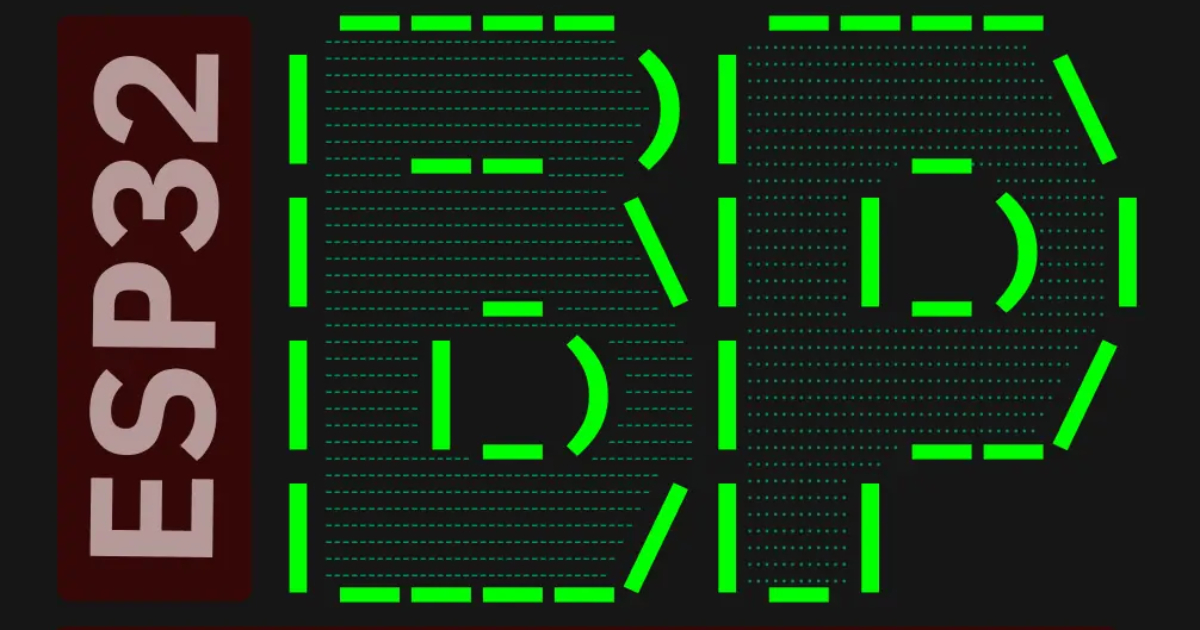
ESP32 Bit Pirate project integrates multi-protocol debugging within a browser environment using HTML5 APIs. It enables users to install firmware and interact with microcontrollers like the ESP32-S3 directly from the browser. The platform supports various digital and wireless protocols while providing hands-on guidance through practical recipes for tasks such as memory dumping and signal analysis.
By Olimpiu PopMeta Open-Sources Astryx, its Agent-Ready React Design System

Meta recently announced the beta release of Astryx, an open-source React design system developed internally over eight years. Astryx builds on React 19 and StyleX to provide over 150 accessible UI components, customizable CSS design tokens, and dedicated CLI and MCP tooling — for both engineers and AI agents.
By Bruno CouriolCloudflare Tests Cache Transcoding to Reduce Storage Requirements
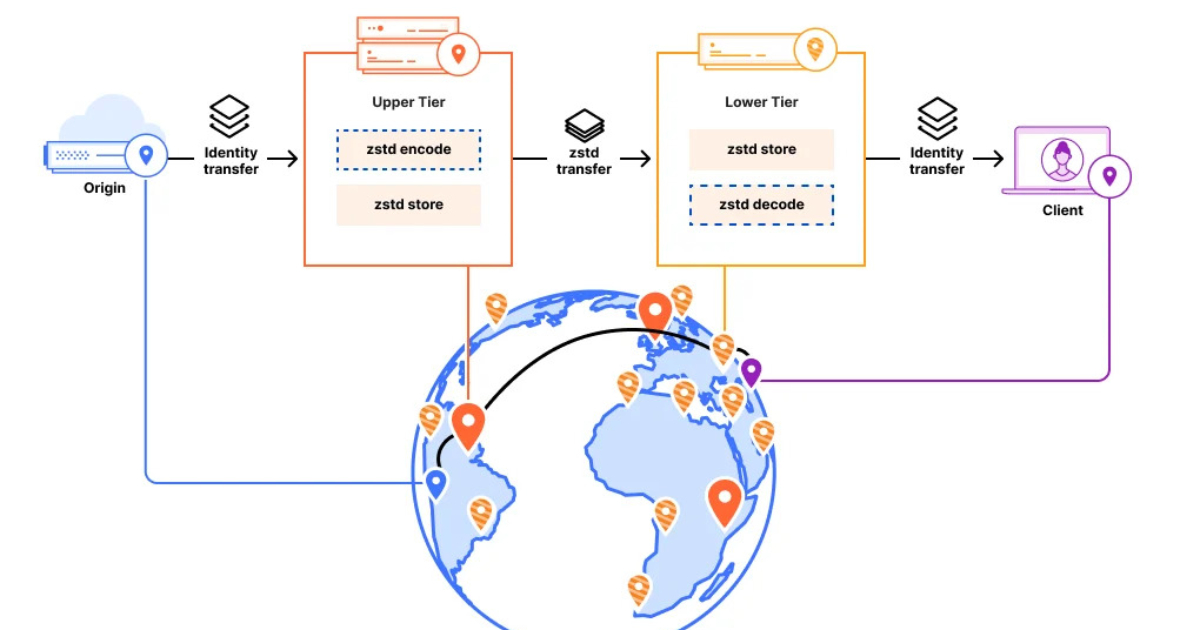
Cloudflare recently described a prototype called Cache Transcoding that compresses eligible cache content, mainly uncompressed text such as HTML, JSON, CSS, and JavaScript, using Zstandard before storing it on disk. The hyperscaler estimates that the approach could provide petabytes of additional effective cache capacity, although broader testing is still needed.
By Renato Losio
© 2026 Created by Michael Levin.
Powered by


You need to be a member of Codetown to add comments!
Join Codetown