Codetown
Codetown ::: a software developer's community
Introductory Projects for Kotlin Tuesdays!!
Hey guys,
I want to introduce simple workshops for you to follow along with! Next Tuesday I will start with TornadoFX, a framework for JavaFX that leverages Kotlin for a more beautiful interface and more concise code. Over the weeks, I'd like you guys to help decide what we look at next: Android, Javascript, React, JSON parsing, and whatever you might think of.
Next week, we make a scheduler for the Cat Neighborhood Sitter. How fun!
Views: 95
Happy 10th year, JCertif!
Notes
Welcome to Codetown!
 Codetown is a social network. It's got blogs, forums, groups, personal pages and more! You might think of Codetown as a funky camper van with lots of compartments for your stuff and a great multimedia system, too! Best of all, Codetown has room for all of your friends.
Created by Michael Levin Dec 18, 2008 at 6:56pm. Last updated by Michael Levin May 4, 2018.
Looking for Jobs or Staff?
Check out the Codetown Jobs group.
InfoQ Reading List
Google LiteRT-LM Speeds Up Local Inference Up to 2.2x With Gemma 4 Multi-Token Prediction

LiteRT-LM brings native support for Gemma 4 Multi-Token Prediction (MTP) drafters, enabling up to 2.2x faster inference. The framework is expanding beyond Kotlin and C++ adding support for new Swift and a JavaScript APIs.
By Sergio De SimoneArticle Series: Securing the AI Stack: From Model to Production

This series provides your roadmap for the machine age, exploring how to move from vulnerable prototypes to resilient systems through layered defense, robust MLOps, and integrated governance.
By Claudio MasoloTypeORM Reaches 1.0 After Nearly a Decade, Signalling Renewed Maintenance

TypeORM 1.0 is the first major release of the open-source TypeScript and JavaScript ORM since its inception in 2016. This version modernizes platform requirements, removes deprecated APIs, and introduces numerous bug fixes and new features. TypeORM now supports ECMAScript 2023, dropping older Node.js versions and dependencies while enhancing security and migration processes.
By Daniel Curtis30+ Updates per Second per Account: Uber Scales Ledger Processing with Batching
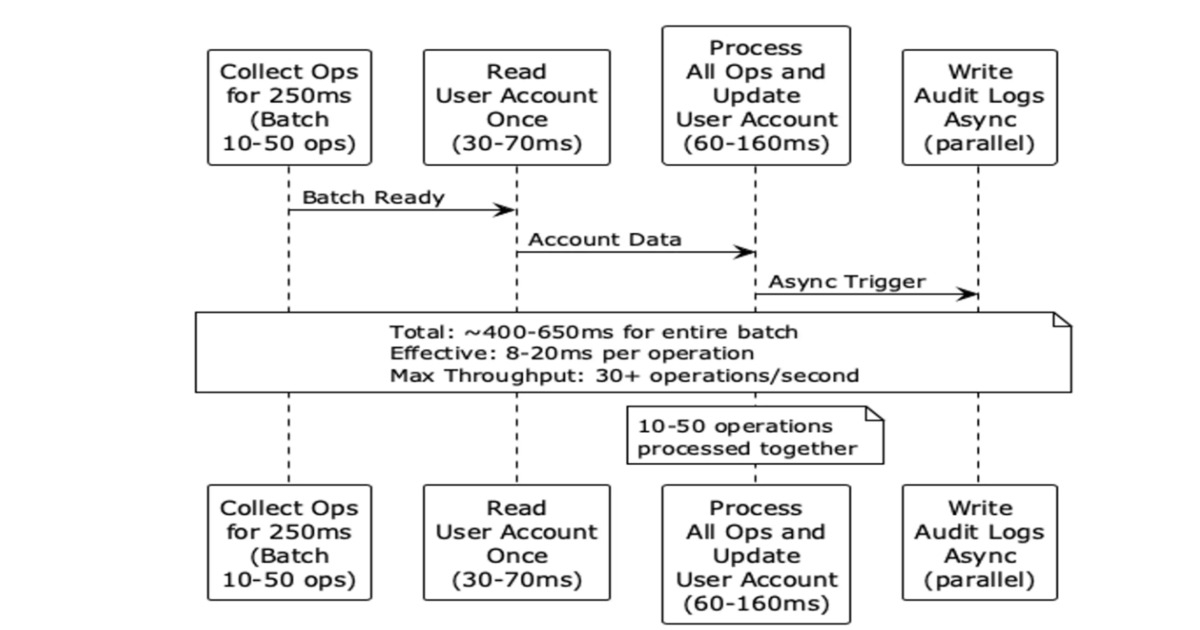
Uber introduced a high-throughput financial ledger processing system designed to handle hot account write contention at scale. Using 250ms batching, Redis coordination, and optimistic atomic updates, the system supports 30+ updates per second per account while preserving consistency and auditability, reducing multi-hour processing pipelines to minutes in its distributed accounting infrastructure.
By Leela KumiliHow a Culture of Data-Driven Conversations Can Support Platform Engineering

To provide SRE as a service, a team built a center of excellence, introducing Federated SREs and roles like production manager and technical tribe lead. They created a culture of data-driven conversations where SLOs and SLAs were democratised. Surviving growing cognitive load meant continuously simplifying architecture and embedding sovereignty and resilience into platform design decisions.
By Ben Linders
© 2026 Created by Michael Levin.
Powered by

