Codetown
Codetown ::: a software developer's community
June 15, 2006: 3-D Printing Open House; Houston, TX (Free!)
Event Details
Time: June 15, 2016 from 5pm to 7pm
Location: 3D Manufacturing HQ
Street: 2100 Space Park Drive Ste 102
City/Town: Houston, TX 77058
Website or Map: https://re3d.org
Event Type: open house
Organized By: Re:3D
Latest Activity: Jun 3, 2016
Event Description
Houston-based Re:3D is making 3-D printers that are big -- really big: their Gigabot printers (the largest has a build area of 269,040 cubic cm) aren't meant for desktop hobbyists, but they're priced low enough to be reasonable wishlist items for schools or makerspaces. They're also based on open standards, and open source (see last year's Kickstarter project). I got a chance to see one of them on the floor of OSCON (still with plastic wrap on the panels, because it was actually a customer machine making a show-floor pit stop before delivery), and was impressed with the fridge-sized cabinet. One cool design constraint that Founder and Chief Creative Officer Katy Jeremko told me about: despite appearances, it's sized to fit through standard household doorframes.
If you're in range of Houston on Wednesday, June 15th, you're invited to the company's 3-D printing open house: come check out all kinds of printed projects (though you can expect an emphasis on the company's own products). They promise snacks, too.
(Image (c) 2015 Lenore Edman, used under Creative Commons Attribution License 2.0.)
Comment Wall
Comment
Happy 10th year, JCertif!
Notes
Welcome to Codetown!
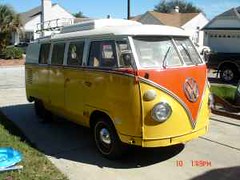 Codetown is a social network. It's got blogs, forums, groups, personal pages and more! You might think of Codetown as a funky camper van with lots of compartments for your stuff and a great multimedia system, too! Best of all, Codetown has room for all of your friends.
Created by Michael Levin Dec 18, 2008 at 6:56pm. Last updated by Michael Levin May 4, 2018.
Looking for Jobs or Staff?
Check out the Codetown Jobs group.
InfoQ Reading List
Presentation: Automating the Web With MCP: Infra That Doesn’t Break

Paul Klein discusses the distributed systems challenges of scaling cloud-hosted browser infra for AI agents. He explains how to manage bursty, stateful multi-tenancy and secure Chromium environments against remote code execution using Firecracker. He also shares how to leverage the Model Context Protocol (MCP) to turn complex websites into accessible agentic tools.
By Paul KleinCoinbase Postmortem Reveals How a Localized AWS Failure Triggered a Multi-Hour Trading Outage

Coinbase has published a detailed postmortem of its May 7, 2026, outage, revealing how a localized cooling failure inside an AWS data center escalated into a multi-hour disruption that halted nearly all trading activity across the cryptocurrency exchange
By Craig RisiAI Coding Agents Get a Stack Overflow of Their Own
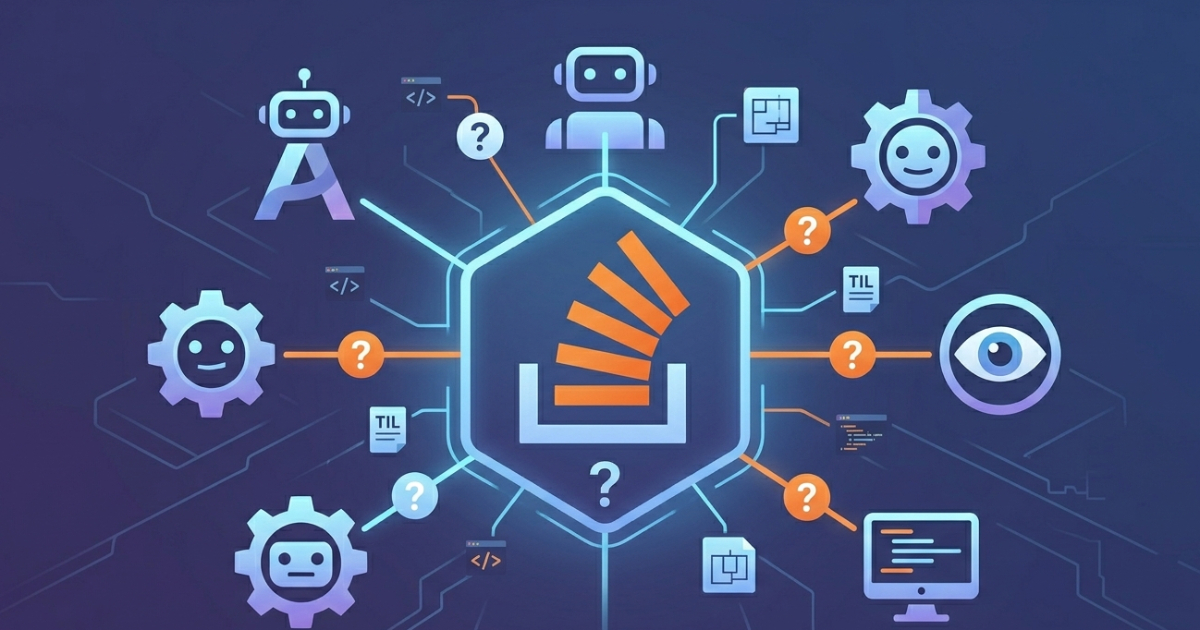
Stack Overflow has announced Stack Overflow for Agents, a beta API-first knowledge exchange aimed at AI coding agents rather than human developers. The service is presented as a way to close what the company calls the Ephemeral Intelligence Gap, where agents repeatedly rediscover the same fixes and patterns in isolation instead of sharing them through a common memory.
By Matt SaundersPostgreSQL 19 Beta Introduces SQL Graph Queries and Concurrent Table Repacking
PostgreSQL 19 Beta has been announced, with general availability expected in September, following the project's yearly major-release cadence. This release introduces native SQL Property Graph Queries (SQL/PGQ), concurrent table repacking to reclaim storage without downtime, and a broad set of performance, observability, and administration improvements.
By Renato LosioJava News Roundup: A2A Java SDK 1.0, Jakarta EE 12, JNoSQL, GraalVM, Micrometer, OpenXava, Gradle
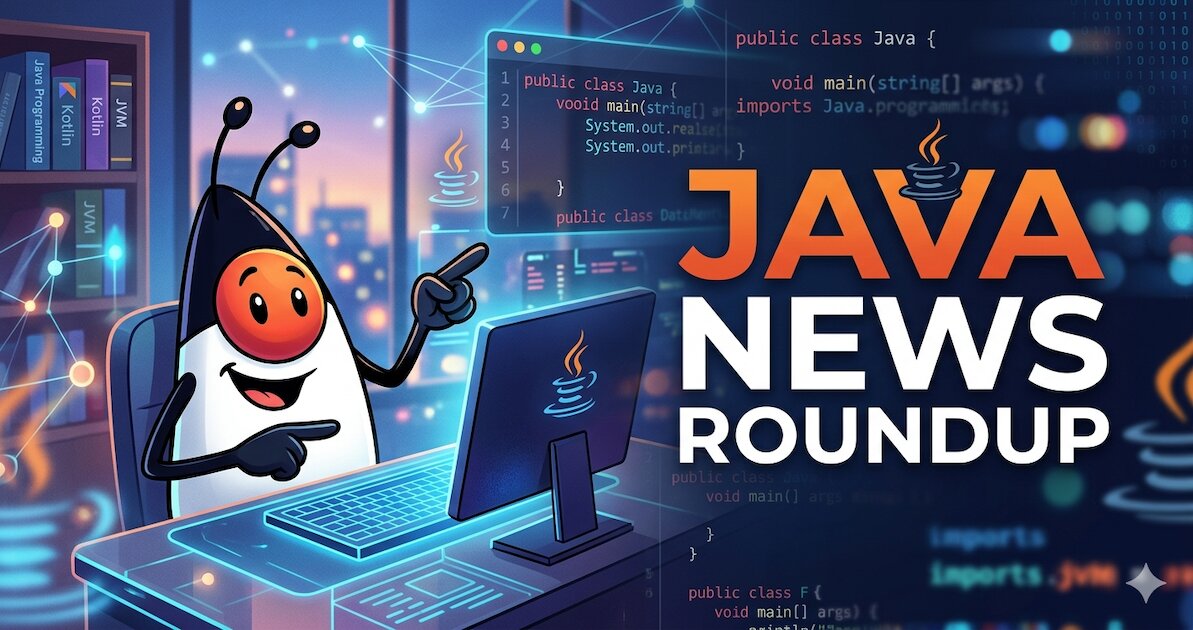
This week's Java roundup for June 8th, 2026, features news highlighting: the GA release of A2A Java SDK 1.0; an update on Jakarta EE 12; point releases of Micrometer Metrics and Micrometer Tracing; maintenance releases of GraalVM Native Build Tools and OpenXava; the second release candidate of Gradle 9.6; and the first milestone release of Eclipse JNoSQL 1.2.
By Michael Redlich
© 2026 Created by Michael Levin.
Powered by


RSVP for June 15, 2006: 3-D Printing Open House; Houston, TX (Free!) to add comments!
Join Codetown