Codetown
Codetown ::: a software developer's community
DEVNEXUS 2016
Event Details
Time: February 15, 2016 at 8am to February 17, 2016 at 6pm
Event Type: conference
Organized By: ATLANTA JAVA USERS GROUP
Latest Activity: Dec 7, 2015
Guest Lists
Attending (1)
Happy 10th year, JCertif!
Notes
Welcome to Codetown!
 Codetown is a social network. It's got blogs, forums, groups, personal pages and more! You might think of Codetown as a funky camper van with lots of compartments for your stuff and a great multimedia system, too! Best of all, Codetown has room for all of your friends.
Created by Michael Levin Dec 18, 2008 at 6:56pm. Last updated by Michael Levin May 4, 2018.
Looking for Jobs or Staff?
Check out the Codetown Jobs group.
InfoQ Reading List
Pinterest Uses Content Fingerprints for URL Deduplication Across Millions of Domains
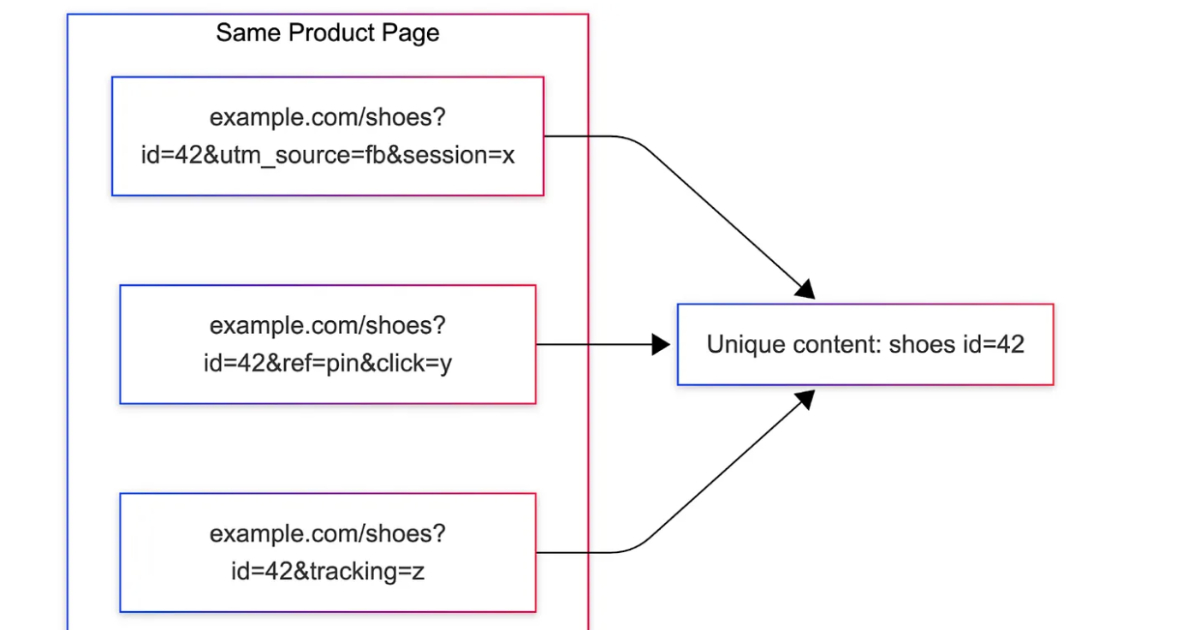
Pinterest introduced MIQPS, a URL normalization system that identifies which query parameters affect page identity using rendered content fingerprints. It reduces duplicate processing across millions of domains by replacing rule-based approaches with offline analysis, anomaly detection, and runtime parameter maps, improving ingestion efficiency and scalability in large-scale content pipelines.
By Leela KumiliJava News Roundup: JDK 27 in Rampdown, JDK 28 Expert Group, GlassFish, Infinispan, Kotlin
This week's Java roundup for June 1st, 2026, features news highlighting: JDK 27 in Rampdown Phase One; the formation of the JDK 28 Expert Group; the GlassFish Arquillian Connectors Suite for Jakarta EE TCKs; point releases for Infinispan and Kotlin; maintenance releases of GlassFish and Micronaut; and the June 2026 beta release of Open Liberty.
By Michael RedlichGemma 4 12B Enables On-Device, Multimodal Agentic Workflows with an Encoder-free Architecture

Google says Gemma 4 12B is "designed to bring agentic, multimodal intelligence directly to your laptop", further noting that the new model can be combined with Google AI Edge to "build and experiment locally, on everyday machines". This integration allows for a wide range of capabilities, from autonomous data processing to generating visual insights and even building webpages or executing tools.
By Sergio De SimoneCelebrating 20 Years of InfoQ
InfoQ celebrates its 20th anniversary. To mark the occasion, we have published a walk-through of the trends InfoQ called early, where they sit on the adoption curve today, and how that curve may evolve over the next decade.
By InfoQPresentation: Mitigating Geopolitical Risks with Local-First Software and atproto
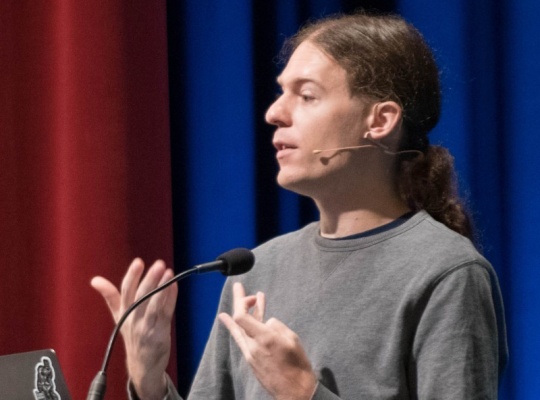
Martin Kleppmann discusses the urgent need for technological sovereignty in modern infrastructure. Exploring the shifting landscape of global tech dependencies, he shares how engineering leaders can leverage multi-cloud architecture, de facto API standardization, the AT Protocol, and local-first development paradigms to reclaim user agency and build highly resilient systems.
By Martin Kleppmann
© 2026 Created by Michael Levin.
Powered by

