Codetown
Codetown ::: a software developer's community
AITP-NCFL October Presentation
Event Details
Time: October 28, 2014 from 5:15pm to 7:45pm
Location: UF Hilton
Street: 1714 SW 34th St
City/Town: Gainesville
Website or Map: http://www3.hilton.com/en/hot…
Phone: (352) 354-AITP
Event Type: dinner, and, presentation
Organized By: North-Central Florida chapter of AITP
Latest Activity: Oct 23, 2014
Event Description
We're honored and delighted to have Tony Barr, creator of the SAS programming language and founder of Barr Systems here in Gainesville, making an intriguing presentation on his latest project, "A Model Of Reality".
"It is my belief that a better model for knowledge representation is to use
pictures to represent types, objects, and functions. The unification of set
theory, functions, and the type/ object model is a minimalistic formalism that
is sufficient for both type and object representation. It can be shown to be one
to one with the structure of languages such as C# and Pascal."
To see the full description of the presentation, view the meeting flyer at
aitp-ncfl.org/pdf/201410.pdf
Please feel free to forward this to anyone you think might be interested in this fascinating topic.
Reservations are requested for this presentation.
It's easy to RSVP. Just send an email to reserve@aitp-ncfl.org
Comment Wall
Comment
Happy 10th year, JCertif!
Notes
Welcome to Codetown!
 Codetown is a social network. It's got blogs, forums, groups, personal pages and more! You might think of Codetown as a funky camper van with lots of compartments for your stuff and a great multimedia system, too! Best of all, Codetown has room for all of your friends.
Created by Michael Levin Dec 18, 2008 at 6:56pm. Last updated by Michael Levin May 4, 2018.
Looking for Jobs or Staff?
Check out the Codetown Jobs group.
InfoQ Reading List
AWS Introduces Durable Storage Option for ElastiCache for Valkey
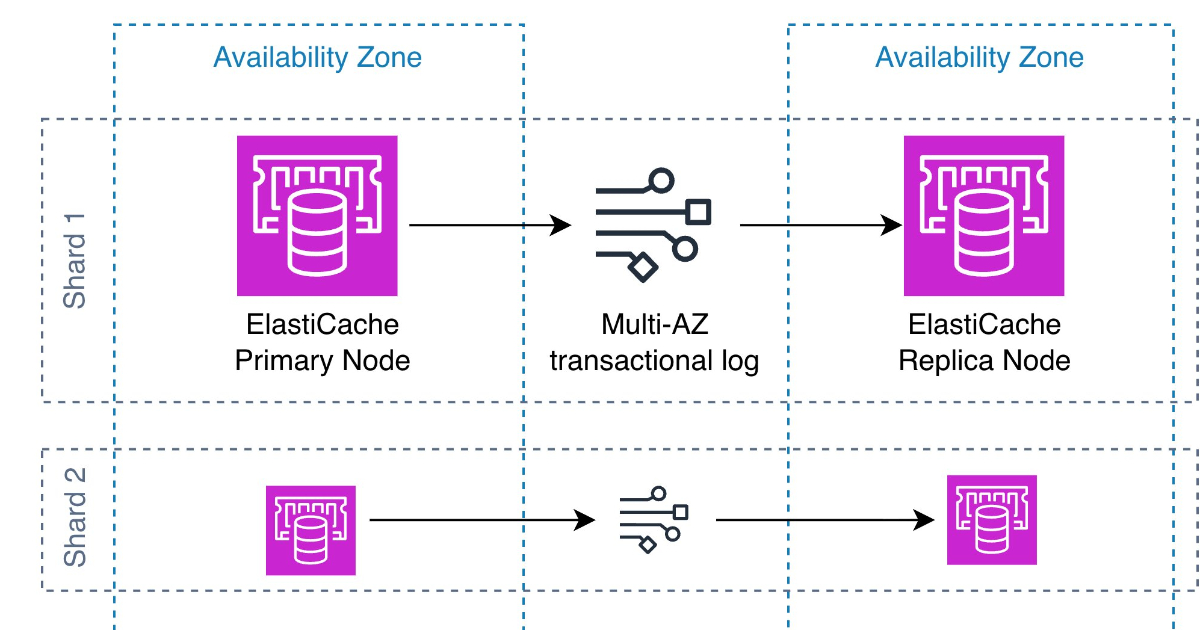
AWS has recently introduced durability for Amazon ElastiCache for Valkey, enabling reliable data retention across failures and expanding support beyond caching to persistent workloads. The feature offers new options that prioritize either minimizing data loss or maintaining lower write latency, expanding the range of use cases supported by the Redis fork.
By Renato LosioTerraform MCP Server Enables AI Assistants to Interact with Terraform Infrastructure

HashiCorp has announced the general availability of the Terraform MCP Server, an open-source MCP server that enables agents to integrate with Terraform Registry APIs. The company says that it can improve infrastructure teams productivity by relieving engineers of rote tasks.
By Sergio De SimoneAWS Introduces CDK Mixins for Composable Infrastructure Abstractions

AWS recently announced CDK Mixins, a new AWS CDK feature that lets developers add reusable capabilities like security, monitoring, and configuration to AWS resources. Mixins work across different construct types, making infrastructure code more flexible and reusable.
By Renato LosioWebMCP Standard Proposal for Agentic Web Actuation Now Available in Chrome (Origin Trials)

Google recently announced that WebMCP is entering origin trials in Chrome 149. The new WebMCP standard proposal lets sites expose tools (e.g., JavaScript functions and HTML forms) to in-browser AI agents, which can thus reliably simulate user actions instead of resorting to possibly expensive (e.g., on-screen reading) and often unreliable guesswork (e.g., DOM scraping).
By Bruno CouriolGoogle Launches Colab CLI for Developers, Automation, and AI Agents
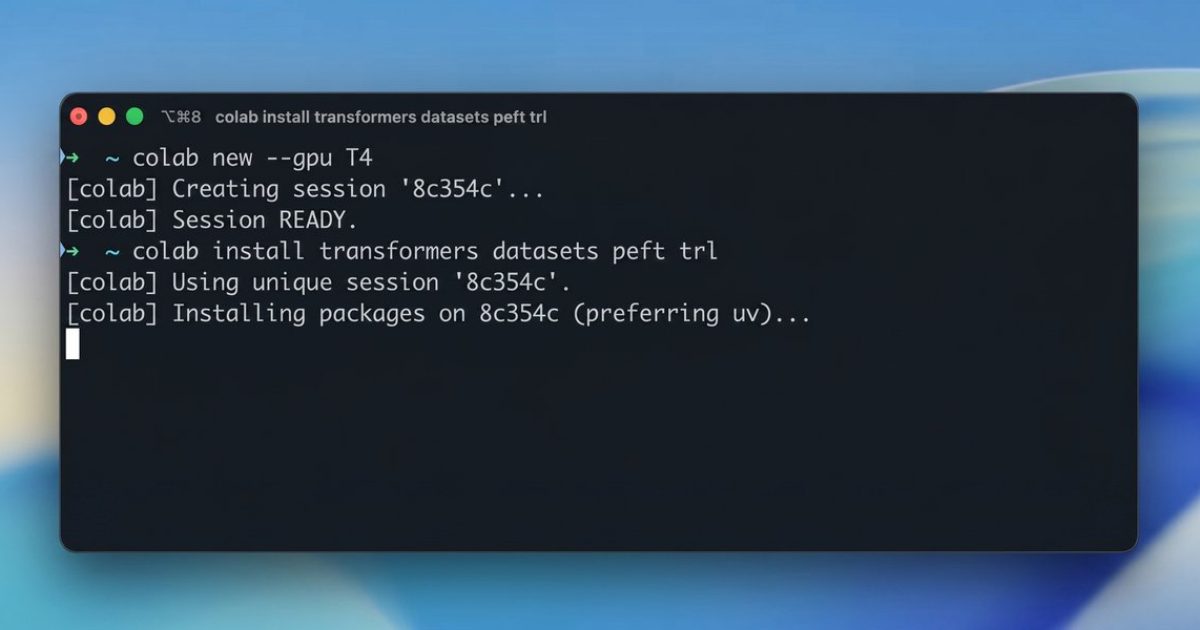
Google has announced the Google Colab CLI, a command-line tool that allows developers and AI agents to interact with remote Colab runtimes directly from a local terminal.
By Daniel Dominguez
© 2026 Created by Michael Levin.
Powered by


RSVP for AITP-NCFL October Presentation to add comments!
Join Codetown