Codetown
Codetown ::: a software developer's community
Small Businesses Can Meet the Challenges of Data Conversion
Implementing new data systems is a difficult process sometimes. New systems result in some amazing benefits including improved processes and the ability to access data more easily, but they are also going to need data to be converted to a format that can be used in the new system. This is a challenge that small businesses must face. This post will look at 5 challenges of data conversion to ensure that you are prepared to conquer them!
Scope of Data
The first step is to define the scope of the data to determine how much of it needs to be converted. You’ll likely find that some of it is essentially useless so there is no need to convert that. Make a list and double check it. How much data is being converted? How much of this data must be converted manually? Determining the scope of data that needs to be converted is a critical step because it allows you to create a plan of action.
Data Sources and Destinations Need to Be Defined
Now you will have to determine exactly where the data is coming from. Are you pulling it from different databases or have you consolidated everything into a single database? You must clearly define the source.
Once you know the source, identify the destination for the data. This will determine exactly what type of conversion is necessary. In some cases, there might be more than one destination so you’ll need to identify what data goes into specific destinations. Write all of this down.
It’s Easy to Get Lost in the Complexity
There is so much data that is accumulated by a business that it’s easy to get lost in a sea of raw data. The sheer intimidation of all this data is what leads to many entrepreneurs to procrastinate updating their systems. They simply don’t want to deal with all of this data conversion.
However, there is a way to face this challenge – data mapping. This is seen by many experts as an essential step to successful data conversion. Detail the requirements for each element of data within the conversion. You’ll have a list by this point to help make this easier. Define all of the following details:
- What will business processes be affected by the change?
- What will the overall transformation look like?
- What new data inputs can you incorporate to meet the needs of the new system?
Every element of the conversion must be documented and mapped out in detail. This includes the estimated time to implement each change.
Determining Everyone’s Roles
This is another challenge that can become a major bottleneck in the overall conversion of data. I’ve seen companies forget to define everyone’s roles during the conversion so they all do their own thing, resulting in an even bigger mess. It’s essential that you detail every team member’s roles before you begin the data conversion process.
- Who will be validating the new data?
- Who will input data into the new system in order to keep the business running?
- Who needs to be locked out of the system until the conversion is finished?
What Resources Are Required?
Finally, you’ll have to make a list of every resource required throughout the data conversion process. Develop a full plan of action from beginning to end including development, testing, and validating new data. Then make sure that you review this plan in detail with all associates involved.
Keeping your systems up-to-date is important because the business world continues to grow at a record pace. If you can meet all of the challenges in this post, then you will find that it’s not quite as intimidating as you believed.
Comment
Happy 10th year, JCertif!
Notes
Welcome to Codetown!
 Codetown is a social network. It's got blogs, forums, groups, personal pages and more! You might think of Codetown as a funky camper van with lots of compartments for your stuff and a great multimedia system, too! Best of all, Codetown has room for all of your friends.
Created by Michael Levin Dec 18, 2008 at 6:56pm. Last updated by Michael Levin May 4, 2018.
Looking for Jobs or Staff?
Check out the Codetown Jobs group.
InfoQ Reading List
JFrog Unveils “Shadow AI Detection” to Tackle Hidden AI Risks in Enterprise Software Supply Chains

JFrog today expanded its Software Supply Chain Platform with a new feature called Shadow AI Detection, designed to give enterprises visibility and control over the often-unmanaged AI models and API calls creeping into their development pipelines.
By Craig RisiAWS Introduces Durable Functions: Stateful Logic Directly in Lambda Code

AWS has unveiled Durable Functions for Lambda, revolutionizing multi-step workflows. This feature allows developers to write code that manages state and retry logic without incurring costs during waits. With advanced capabilities like checkpoints, pauses for up to a year, and simplified orchestration, Durable Functions streamline complex serverless applications.
By Steef-Jan WiggersMySQL Repository Analysis Reveals Declining Development and Shrinking Contributor Base
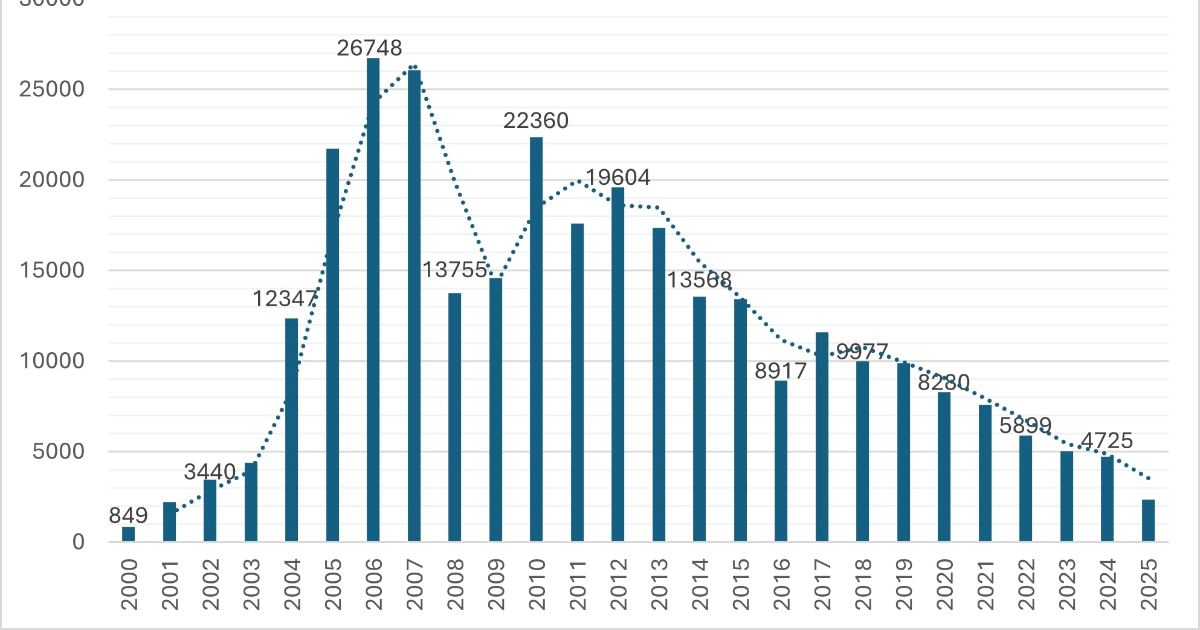
A recent report has analyzed the repository statistics of the MySQL server to evaluate the project's status, Oracle's commitment to MySQL, and the future of the community edition. Julia Vural, software engineer manager at Percona, writes:
By Renato LosioFrom On-Demand to Live : Netflix Streaming to 100 Million Devices in Under 1 Minute

Netflix’s global live streaming platform powers millions of viewers with cloud-based ingest, custom live origin, Open Connect delivery, and real-time recommendations. This article explores the architecture, low-latency pipelines, adaptive bitrate streaming, and operational monitoring that ensure reliable, scalable, and synchronized live event experiences worldwide.
By Leela KumiliVitest Team Releases Version 4.0 with Stable Browser Mode and Visual Regression Testing

Vitest 4.0, the Vite testing framework, revolutionizes browser-based testing with stabilizations, built-in visual regression support, and enhanced debugging. With major features like stable Browser Mode and Playwright Traces integration, it streamlines workflows. Developers benefit from a smoother upgrade path and an optimized experience, reinforcing Vitest as a comprehensive testing solution.
By Daniel Curtis
© 2025 Created by Michael Levin.
Powered by


You need to be a member of Codetown to add comments!
Join Codetown